





















@


HOME
NEWS  
NEWS FEATURES  
INTERVIEWS  
POLITICAL COLUMN  
THIS IS MY NATION  
MILITARY MATTERS  
EDITORIAL  
SPORTS  
CARTOON  
BUSINESS  
EYE - FEATURES  
LETTERS  
EVENTS  
SOUL - YOUTH MAG  
ENTERTAINMENT  
NATION SPECIAL  


Editorial


Terror rules the day

How many deaths will it take to admit, that too many people have died? - Bob Dylan

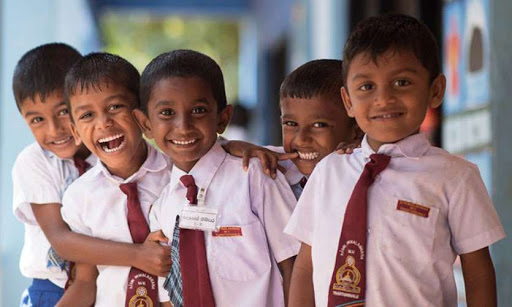
Proving many of the pundits right, January 16 was as bloody as ever. It was widely anticipated that the LTTE would strike on the day that would mark the official end of the six-year ceasefire agreement if only to give the state a taste of things to come, now that war had been officially declared. And so, Colombo was predictably on high alert, parents kept their children away from school and those who could afford to, stayed off the roads. Tight security cordons were placed around schools and roads in the capital was crawling with security personnel in anticipation of an LTTE attack.

Ironically, like so many times in the past, the Tigers made a mockery of all the defence establishment’s well-laid security arrangements and struck swiftly and violently in a remote village deep in the heartlands of the island. One would have had to be clairvoyant to know that the LTTE would strike in Buttala, or at least, have a highly sophisticated intelligence network – and the state has neither of these resources at its disposal and so, 32 innocents, including three school children, paid with their lives.

Following the carnage in Buttala, Colombo has, if anything, become more tense than ever. It is a terrible time to live in Sri Lanka; insecurity and uncertainty are all-pervasive. Colombo is lying in wait for its own turn to taste the Tigers’ violence and there is no telling when the dreaded day will come.

The merits or demerits of the CFA and its annulment notwithstanding, the devastating attack in Buttala raises a recurring question. How many more will pay this ultimate price before Sri Lanka finally sees the dawn of peace? Setting deadlines for ending the war are all well and good, but will the cost of these eight months prove too high a price to bear? Will we really be able to eradicate terror before terror annihilates us all? Such questions have pervaded the Sri Lankan consciousness this week, in Colombo as well as in areas under LTTE control no doubt. Will we be next, the citizenry seems to be echoing silently in their hearts and it is a sound each and every one of us can hear.

This is the very definition of terror. To lay siege upon a nation and its citizenry, to keep them frozen and afraid to step out of their homes, that would be victory enough for a terrorist outfit. And if that were to further erode the average Sri Lankan’s confidence in the government and the state, it’s just icing on the cake as far as the LTTE is concerned. To expect a state to cower under this pressure would be unthinkable. But what the citizen can expect from its government is that if it is resolved to end this conflict militarily; then let it be done as soon as possible and with minimal cost to the civilian populations, both in the south and the conflict zones. The people cannot be expected to continue to pay the price for policy decisions made by politicos who have luxury security convoys, road closures and the ability to keep their offspring safe overseas while the poor man in Buttala or Batticaloa is left defenceless and vulnerable to terrorist attack. While the people have the sense to understand that precautions must be taken to protect state leaders lest the country slip into anarchy, the people will not be patient forever if they are the only ones making the sacrifices.

Indeed, we are a nation at war. Now more than ever, we need our leaders to start acting like it is a war that affects us all – not just the poorest and weakest of us. Let there be as much interest in keeping the farmer in Moneragala or Medawachchiya safe, as there is in ensuring roads are cleared for MPs to travel to Parliament.

Too many people have died already, but Sri Lanka is too blind to see. When peace comes one day, there may be no one left to reap its dividend or we may be too jaded, too bankrupted by a cruel conflict that has raged too long and hard for us to ever forget. As we wage war on the battlegrounds, let our leaders not forget to offer olive branches simultaneously, so that we might one day find our way out of this quagmire when the battle is finally over. The only way would be to seek political settlement while pursuing the option of crushing Tiger terror, so that a distinction between the LTTE and the ordinary Tamil citizen is clearly drawn.
Before we tear ourselves apart by this hatred and bloodshed, let us wake up to the reality that, enough is enough and resolve to end this terror and strife, as quickly and painlessly as possible. The answers are out there, ‘blowing in the wind’ and let us pray we have the courage and the will to find them.

****