
Government on alert as global instability threatens fuel security, transport, and cost of living
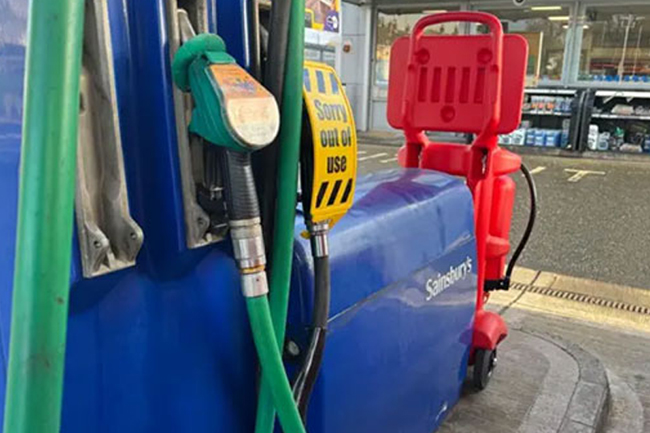
Australia is facing a serious and rapidly evolving fuel and diesel supply threat as escalating geopolitical tensions in the Middle East begin to disrupt global energy markets, raising concerns over economic stability and national supply chains.
Industry analysts warn that the situation could place Australia “at the front of the queue” for a potential fuel crisis, given the country’s heavy reliance on imported refined fuels—particularly diesel, which is critical for transport, agriculture, mining, and emergency services.
Global Tensions Driving Supply Risks
The latest concerns stem from rising instability in key oil-producing regions, including threats to major shipping routes such as the Strait of Hormuz, a vital corridor through which a significant portion of the world’s oil supply passes.
Any disruption to this route could severely limit global fuel availability, pushing up prices and tightening supply chains. Experts caution that even short-term interruptions could have immediate consequences for countries like Australia that depend heavily on international imports.
Diesel Shortage Could Hit Key Industries
Diesel is considered the backbone of Australia’s economy, powering freight transport, heavy machinery, and essential infrastructure.
A sustained shortage could lead to:
- Disruptions in food and goods transportation
- Increased costs for mining and construction sectors
- Delays in agricultural operations, particularly during critical harvest periods
- Pressure on emergency and public services
“Diesel is not just another fuel—it’s a strategic necessity,” one energy analyst noted. “Any constraint in supply can ripple across the entire economy.”
Rising Prices and Inflation Concerns
Fuel prices have already begun to climb in response to global uncertainty, adding to Australia’s ongoing cost-of-living pressures.
Higher fuel costs are expected to:
- Increase transport and logistics expenses
- Drive up food prices
- Contribute to broader inflation
Economists warn that prolonged price increases could force further monetary tightening, placing additional strain on households already grappling with high interest rates.
Government Monitoring and Preparedness
Australian authorities are closely monitoring the situation, with discussions underway regarding the use of strategic fuel reserves if necessary.
Officials have emphasized that while there is no immediate shortage, contingency plans are being reviewed to ensure continuity of supply in the event of a global disruption.
Energy experts, however, caution that Australia’s relatively low domestic fuel reserves and limited refining capacity leave it vulnerable to external shocks.
Calls for Long-Term Energy Security
The emerging crisis has reignited debate over Australia’s fuel security strategy, with calls for:
- Increased domestic fuel storage capacity
- Expansion of refining infrastructure
- Diversification of energy sources
- Greater investment in renewable alternatives
Policy analysts argue that the current situation highlights structural weaknesses in Australia’s energy system, particularly its dependence on global supply chains.
Uncertain Outlook
With tensions in the Middle East showing no signs of easing, the outlook remains uncertain. Market volatility, geopolitical risk, and supply chain disruptions are expected to continue influencing fuel availability and pricing in the coming weeks.
For now, both government and industry are bracing for potential impacts, while urging calm among consumers.
As global events unfold, Australia finds itself navigating a delicate balance between energy dependence and economic resilience—an issue that may define the nation’s policy direction in the months ahead.











 English (United States) ·