
 2 years ago
800
2 years ago
800 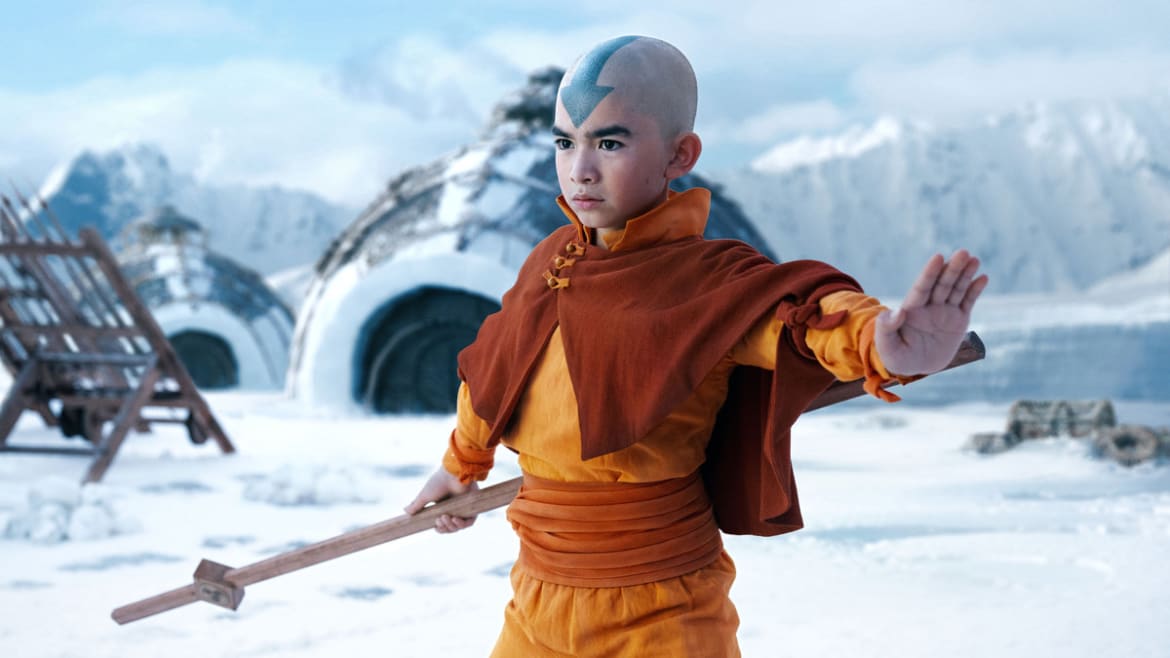 Netflix
In 2010, M. Night Shyamalan aimed his chest toward the masses and encouraged them to fire their missiles with his live-action adaptation of Avatar: The Last Airbender, Nickelodeon’s beloved animated series. Shyamalan’s version—simply titled The Last Airbender—was so shoddily made that it earned the director the worst reviews of his entire career. Despite its $150 million budget, a decent box office gross, and its writer-director’s characteristic ambition, The Last Airbender flopped so hard among audiences and critics that it was enough to scrap a planned live-action movie trilogy altogether.
Given all of this history, you’d think that anyone with half a clue would want to stay far away from another live-action take on the series, which ended in 2008. But put a risky venture in front of Netflix execs and ask for a palm full of money, and their answer will more often than not be, it seems, “Why the hell not?”
The streamer’s adaptation, Avatar: The Last Airbender (premiering Feb. 22), restores the series’ whole name but certainly not its full glory. While it’s far less condensed than Shyamalan’s film and with decently ambitious worldbuilding, Netflix’s version of Avatar rarely strives to differentiate itself from its predecessor. For those simply looking for a faithful spin on their favorite childhood show, this may be enough to delight the senses; the bar is, after all, pitifully low. But to an outsider, Avatar: The Last Airbender screams “adaptation,” with its rigid character archetypes and careful side-stepping of any notable or unique alterations. The show is lost in its fan service, a calculated (and occasionally impressive) effort to right Shyamalan’s 14-year-old wrong. But all that care becomes the series’ collapse, leaving it crushed under the weight of expectations, forever searching for any point to its existence.













 English (United States) ·