
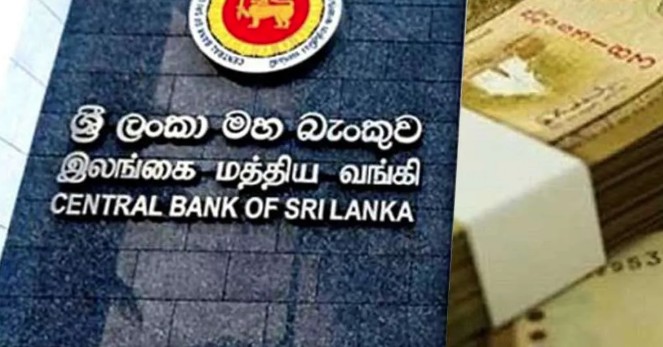
The Cabinet of Ministers has approved a proposal to accelerate the adoption of QR-based digital payments in Sri Lanka, as part of efforts to strengthen the country’s digital economy.
The government has identified digitalisation as a national priority to enhance economic efficiency, financial inclusion, and transparency, noting that heavy reliance on cash transactions continues to limit growth in the digital financial ecosystem.
Low Adoption Despite Existing Infrastructure
Although the LankaQR system is already operational—integrated with over 20 financial institutions and nearly 30 mobile applications—its active usage remains relatively low.
According to official data:
Around 274,000 transactions were recorded via LankaQR in the third quarter of 2025
Total transaction value reached approximately Rs. 1.18 billion
Monthly average: 90,000 transactions worth about Rs. 390 million
The average transaction value remains below Rs. 5,000
New Incentive: Zero Charges for Small Transactions
In response, the Cabinet has approved a key measure aligned with the 2026 Budget proposals:
No additional charges will be applied to both sender and receiver for QR-based transactions below Rs. 5,000
This initiative aims to encourage everyday retail usage of digital payments and reduce dependency on cash.
Policy Direction
The proposal was presented by the President in his capacity as Minister of Digital Economy, with the objective of:
Expanding digital payment adoption
Improving financial system transparency
Supporting the transition toward a cash-light economy
Driving the Digital Economy Forward
The programme is expected to significantly increase the use of QR payments in daily transactions, particularly in small-scale retail settings, thereby accelerating Sri Lanka’s transition toward a more inclusive and digitally integrated economy.













 English (United States) ·